Builders working on large-scale projects often start by choosing industrial concrete contractors that understand how industrial construction moves forward in Northern Nevada. These types of projects rely on concrete that can handle heavy equipment, constant traffic, and demanding structural loads.
Industrial concrete work plays a key role in supporting manufacturing sites, warehouses, processing plants, and infrastructure that must perform under daily stress. Cheek Construction works with contractors and project managers to help industrial concrete services stay aligned with the larger construction schedule. Your project will move forward without unnecessary interruptions.
Industrial construction brings unique demands compared to typical building projects. These job sites often involve heavy machinery, large equipment pads, and concrete that must support continuous operational loads.
Common challenges can include:
Because these environments depend on durable surfaces and structural support, concrete work must be carefully organized so later construction phases can proceed without delay.
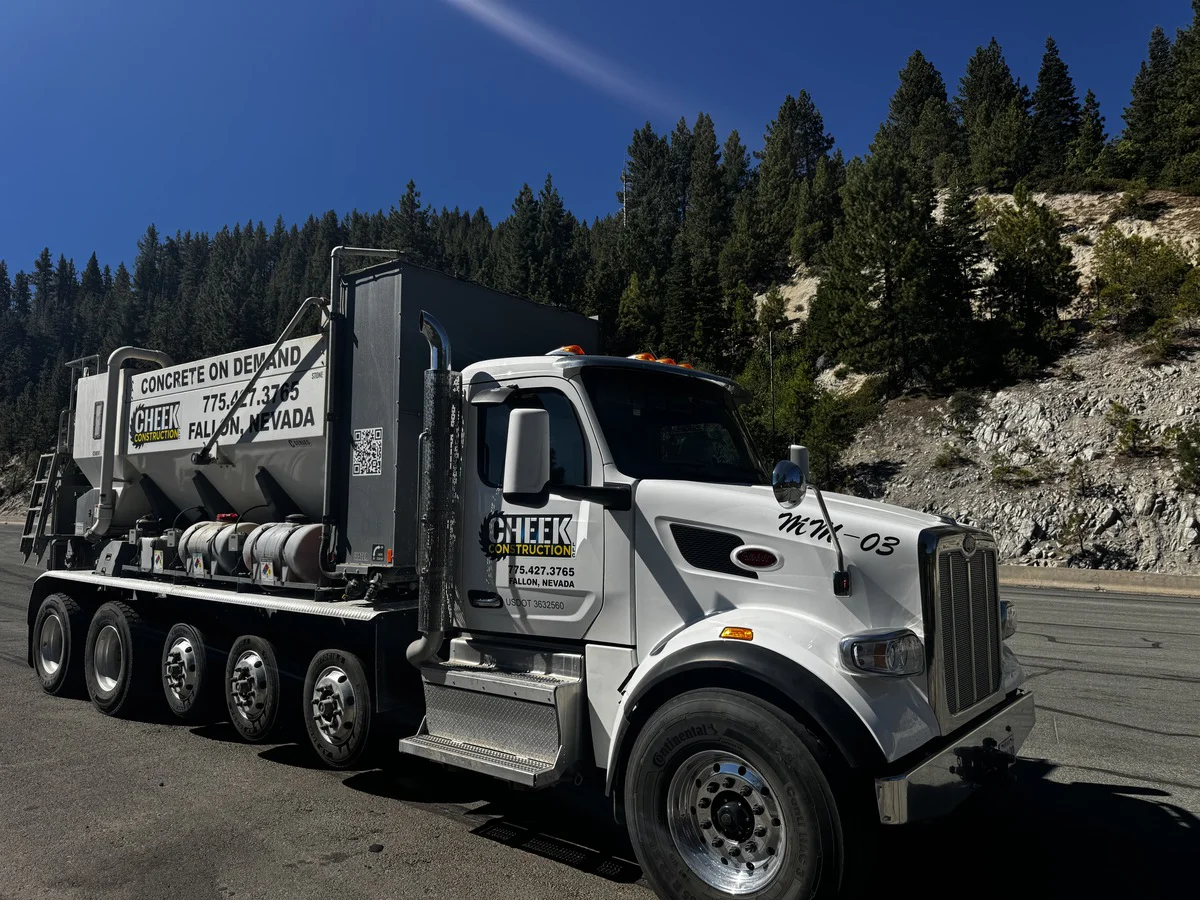
Industrial projects require coordination between crews, contractors, and project leadership. Concrete work often overlaps with excavation, site preparation, and utility installation. Cheek Construction approaches industrial concrete services with a focus on communication and preparation before any concrete is placed.
By reviewing plans, discussing timelines, and aligning with project managers, the team helps ensure industrial concrete work supports the broader construction effort. This approach helps industrial concrete contractors stay connected to the pace of the jobsite rather than operating separately from the rest of the project.
Industrial construction environments require concrete that supports long-term use under demanding conditions. Builders rely on industrial concrete contractors who understand how these projects unfold from preparation through placement.
Working with an experienced industrial concrete contractor can help:
When concrete phases are organized carefully, the rest of the project can move forward with fewer interruptions.
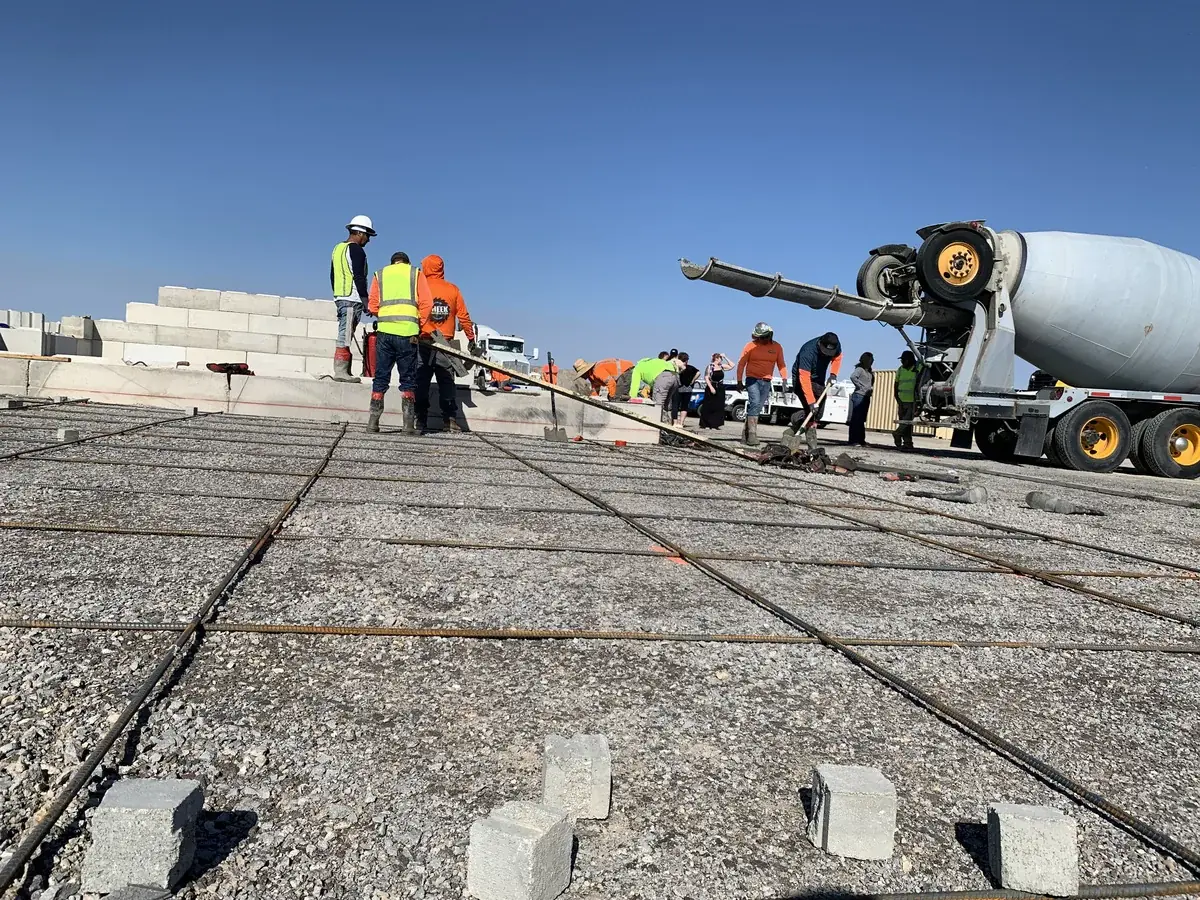
Industrial concrete construction moves forward best when each stage is clearly coordinated.
Plans, site access, and scheduling are reviewed so the project team understands when concrete work will take place.
Excavation, trenching, and formwork prepare the area so that concrete placement can happen safely and efficiently.
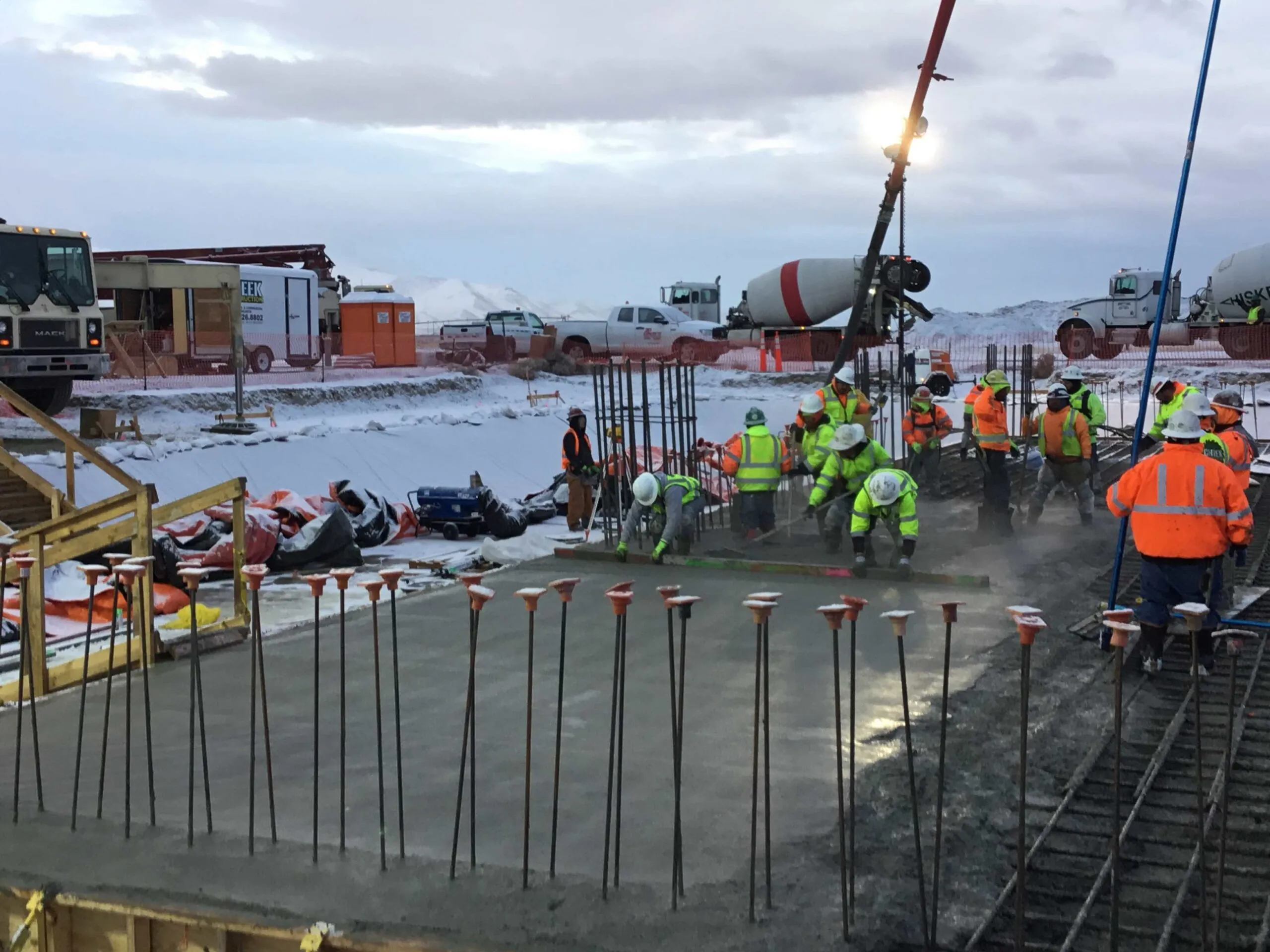
Concrete is poured and finished to meet the structural needs of the project, so other trades can continue their work.
Maintaining this sequence helps keep industrial construction projects on schedule.
Manufacturing, logistics, and infrastructure projects can involve demanding structural and operational needs that call for industrial concrete in NV.
Typical industrial concrete services may include:
Each project is approached with attention to site conditions and construction sequencing so concrete work fits into the larger development timeline.
Many clients mention how communication and consistency shape their experience during a project.
“Great and timely work refurbishing the concrete along sidewalks and sloping up driveways. The team was professional, courteous, and patient”
Comments like this reflect how crews approach projects with attention to timing and coordination from start to finish. Read the full review and more testimonials from satisfied customers.
Industrial projects often require teams that understand how large construction environments operate.
Cheek Construction focuses on:
These priorities help industrial concrete construction stay aligned with the overall build.
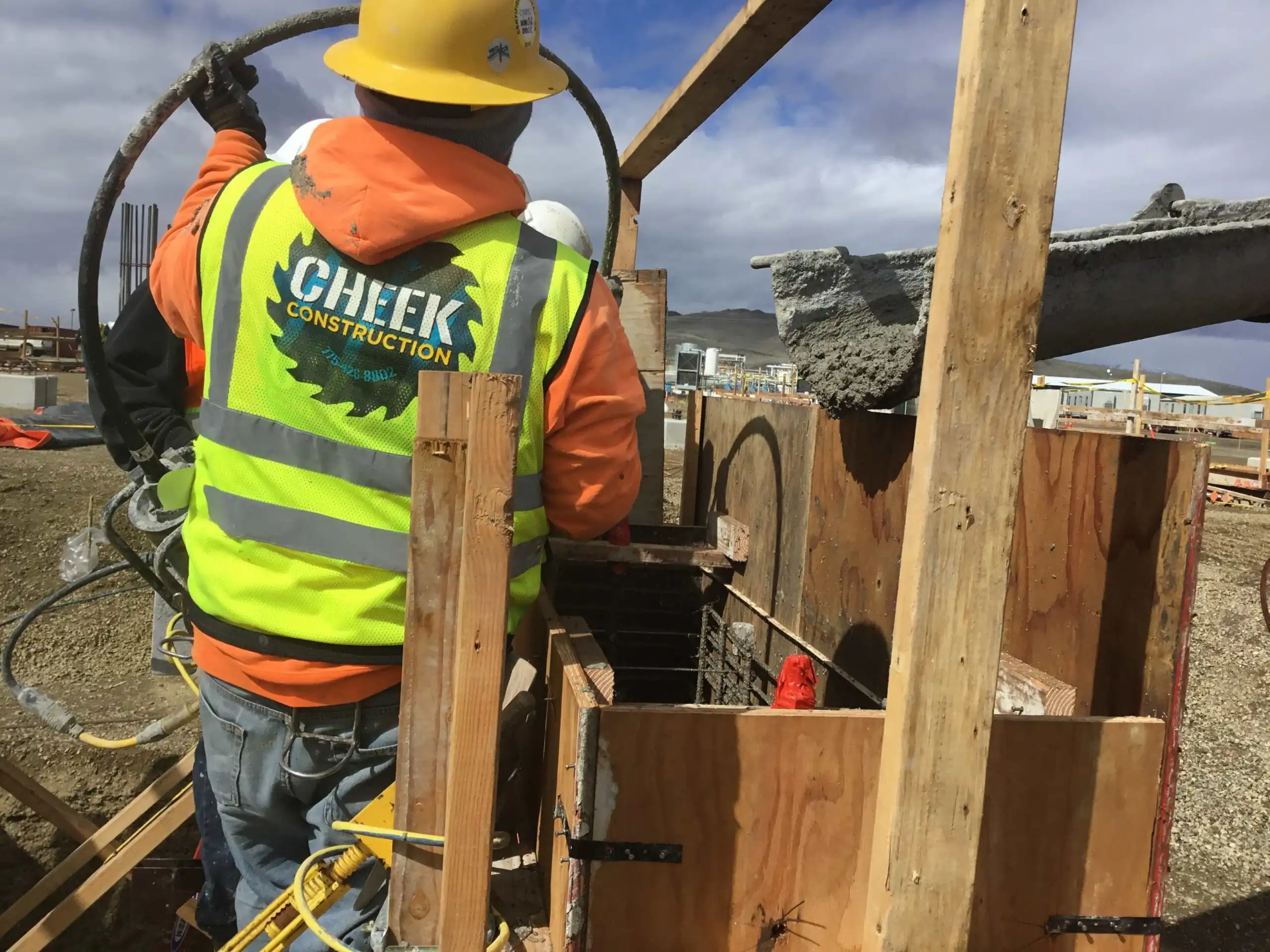
Choosing an industrial concrete contractor starts with understanding how the contractor communicates and coordinates with other trades. Industrial projects often involve complex sequencing, so builders typically look for contractors who review schedules carefully and align concrete placement with the overall construction timeline.
You’ll find our teams on job sites all throughout Northern Nevada, bringing specialized industrial concrete to contractors in every corner of the region, such as:
Working across the region allows project teams to partner with crews familiar with construction conditions throughout Northern Nevada.
Industrial construction relies on concrete that supports heavy equipment, high traffic, and demanding structural loads. Builders and project managers need contractors who can coordinate excavation, foundations, and placement while keeping the construction timeline on track.
We make sure our concrete work fits right into your master schedule so the rest of the build never has to wait on us. We handle coordination and communication so that once our part is done, the rest of your project has the momentum it needs to cross the finish line on time.
Industrial concrete construction is commonly used for warehouses, manufacturing plants, processing facilities, and other structures designed for heavy equipment or high traffic. These environments require concrete foundations and slabs that can support continuous use while remaining stable over time.
Industrial job sites often involve electricians, steel crews, plumbers, and equipment installers working in sequence. Industrial concrete contractors typically coordinate with project managers to schedule excavation, forming, and placement so other trades can continue their work without delays.
Before concrete placement begins, several steps usually take place to prepare the site. These may include:
Completing these steps allows concrete placement to happen smoothly. If you have any questions, don’t hesitate to give us a call.
The timeline for industrial concrete work depends on the size of the facility, site conditions, and how many phases of construction are involved. Large projects may require multiple pours across several stages of the build, which are scheduled alongside other construction activities.
On a heavy industrial build, the concrete work is usually what kicks everything else into gear. We know that if we’re on time, the whole project stays on time. Foundations and slabs must be completed before other phases, such as framing, equipment installation, or structural work, can continue.
Clear scheduling helps project teams prepare crews, equipment, and materials ahead of time.
Planning typically begins by discussing the project scope and timeline with the contractor. Sharing site plans, access details, and scheduling expectations allows the contractor to understand the project requirements and help prepare for upcoming concrete phases.